2026-11-19 · Louic
Factors That Affect Roofing Replacement Costs In Great Falls
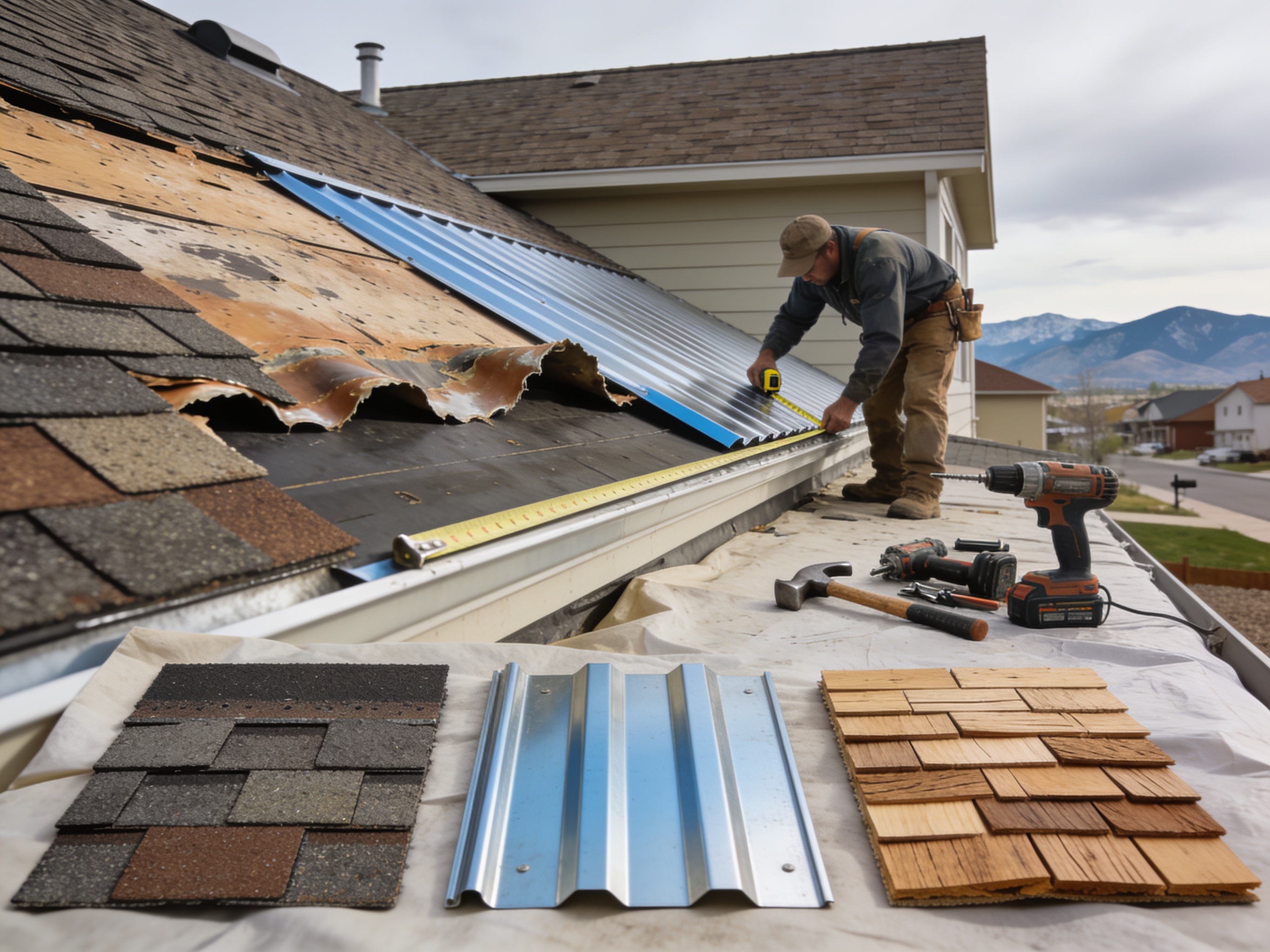
Roofing replacement costs in Great Falls are shaped primarily by roof size, material type, structural complexity, and the effects of cold winters combined with warm dry summers across Cascade County. These elements determine labor hours, material quantities, and the need for extra reinforcements against snow loads or wind uplift.
Home Size and Roof Pitch
Larger homes or those with steep pitches require more materials and time on site, directly raising replacement expenses. In older sections of Downtown Great Falls many properties built before 1960 feature complex gables and valleys that slow work and increase waste. Steeper roofs also demand additional safety measures during cold months when surfaces stay icy longer. Crews often spend extra days prepping underlayment on these structures compared to simpler low-slope designs common in newer West Great Falls subdivisions. Accurate measurements taken during a roof inspection help owners anticipate these variables before work begins.
Material Selection and Lifespan
Choosing between asphalt shingles and metal panels affects both upfront price and long-term durability in Great Falls conditions. Asphalt typically lasts 20–30 years while standing-seam metal can reach 40–50 years under the same exposure to summer heat and winter freeze-thaw cycles. Homes near the Great Falls of the Missouri or Giant Springs often see faster wear from wind-driven moisture, making upgraded underlayment or ice-and-water shield worthwhile investments. Comparing metal and asphalt roofing for high wind areas near Great Falls outlines how each option performs when chinook winds hit Cascade County. Owners weighing a full roof replacement should factor removal of existing layers and disposal fees common to older Cascade County homes.
Impact of Great Falls Weather Patterns
Cold winters bring heavy snow and ice dams that can damage decking and raise repair scope during replacement projects. Warm dry summers accelerate shingle aging through UV exposure, shortening service life on south-facing slopes. Properties in Black Eagle experience more frequent freeze-thaw stress due to proximity to the Missouri River, often requiring additional ventilation or insulation upgrades. Spotting and preventing ice dams on roofs in Great Falls details how these seasonal patterns increase material and labor needs. Scheduling work between late spring and early fall avoids the harshest weather windows and keeps project timelines predictable.
Local Neighborhood Considerations
Neighborhood-specific factors in Cascade County also influence final pricing. Tighter access in Downtown Great Falls can add time for material staging, while open lots in West Great Falls allow faster equipment movement. Homes near the C.M. Russell Museum or Giant Springs may sit on slightly uneven terrain that requires extra flashing details. Roofing in Downtown Great Falls projects frequently involve coordinating with historic district guidelines that affect shingle color and profile choices. These realities combine with roof age and existing damage to create the final cost range for each property.