2026-11-19 · Louic
Spring Roof Walkaround Tips Once Snow Melts In Great Falls
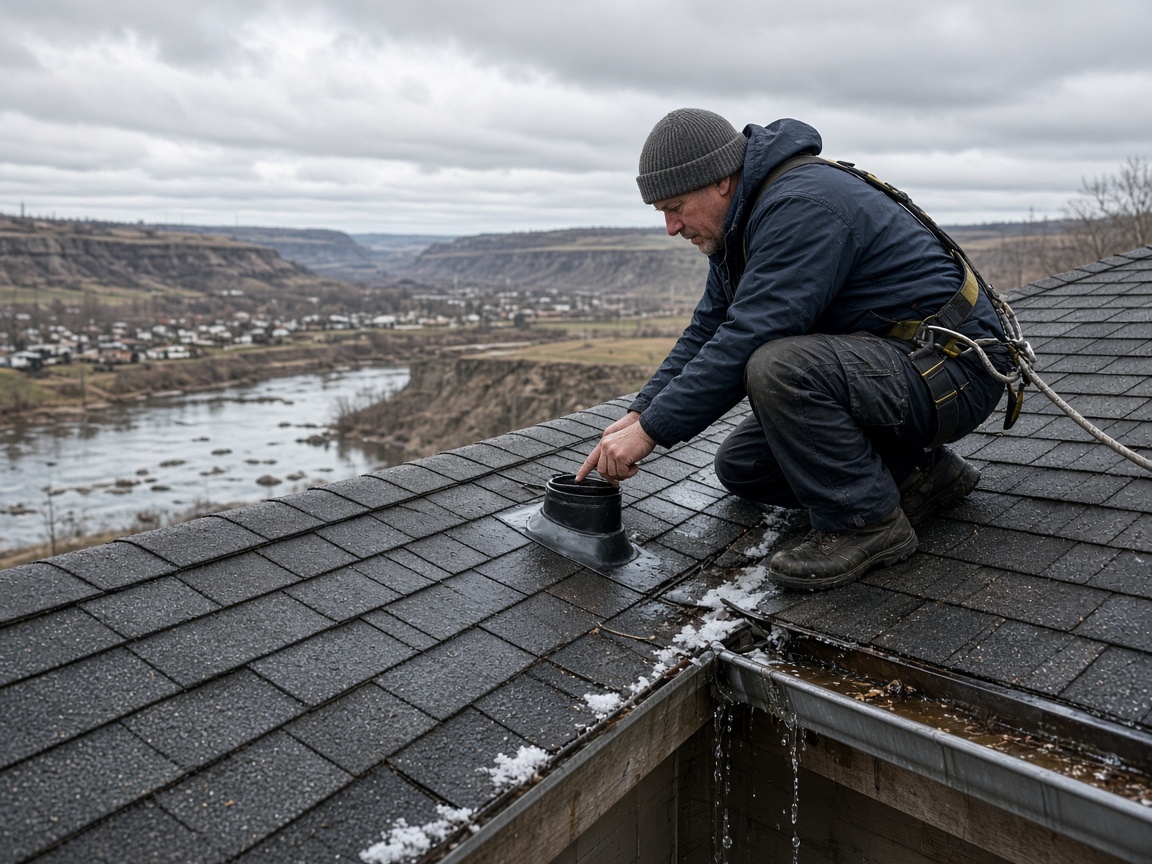
After the snow melts in Great Falls, a spring roof walkaround takes 30 to 60 minutes and starts with a ground-level scan for missing shingles or sagging sections caused by heavy Cascade County winter loads. Focus first on south-facing slopes where warm dry summers contrast with prior freeze-thaw cycles, then move to north sides where lingering moisture often hides. This timing matters because Great Falls homes near the Great Falls of the Missouri face rapid runoff that can expose small problems quickly.
Checking for Ice Dam Residue and Shingle Shifts
Ice dams from cold winters leave behind torn underlayment and displaced shingles that show up clearly once meltwater drains. Walk the perimeter and note any granules collected in gutters, especially on homes in Black Eagle where older stock often has 20- to 30-year asphalt layers. Lift edge shingles gently by hand to feel for softness underneath; if the decking flexes, water has likely penetrated during the freeze. Compare both sides of the ridge to catch uneven wear that points to prior snow sliding. Homeowners in West Great Falls should pay extra attention to valleys where drifting snow packs tighter against the C.M. Russell Museum vicinity terrain.
Link this inspection to a full professional check when you notice widespread granule loss or multiple lifted tabs. Roof Inspection reveals hidden deck damage that a walkaround cannot reach. Early detection prevents leaks that appear during the first warm dry summer rain.
Examining Flashing, Vents, and Skylights
Metal flashing around chimneys, vents, and skylights often loosens after repeated expansion from cold winters. Run a gloved hand along the edges to feel for gaps wider than a quarter inch, particularly on Downtown Great Falls properties where wind funnels between buildings. Check step flashing on sidewalls for popped nails that allow water entry once snow weight shifts. Skylight seals crack faster in Cascade County due to UV exposure after the snow clears, so look for dried caulk or bubbling. Replace any bent pieces before the next freeze to avoid interior stains on ceilings.
If flashing repairs exceed basic tightening, schedule work through Roof Repair to match existing materials on your roof. This step keeps small issues from turning into full section replacements later.
Assessing Gutters, Downspouts, and Drainage Flow
Clear gutters of packed ice residue and test downspout flow by pouring water at the high end. In Great Falls, spring runoff from Giant Springs direction can overwhelm clogged lines on sloped lots, sending water under the roof edge. Measure that extensions reach at least 5 feet from the foundation to protect crawl spaces common in West Great Falls homes. Note any sagging hangers that allow standing water to freeze again next winter.
Homes near Helena or Billings routes often share similar drainage patterns, but local soil in Cascade County holds more moisture, increasing the risk of foundation splash-back. Document any standing water spots with photos for your records.
Planning Follow-Up Repairs Before Summer
Document every finding with dated photos and note locations relative to landmarks like the Great Falls of the Missouri for easy contractor reference. Schedule fixes for lifted shingles or minor flashing before warm dry summers bring hail or high winds. If damage covers more than one slope or involves structural concerns, review Spotting And Preventing Ice Dams On Roofs In Great Falls for prevention steps that apply directly to local conditions. This walkaround routine, done annually after melt, extends roof life on Cascade County homes without unnecessary work.